2 Sep 2026
How Currency Conversion Fees Influence Spin Volume and Loyalty Point Accumulation in International Casino Platforms

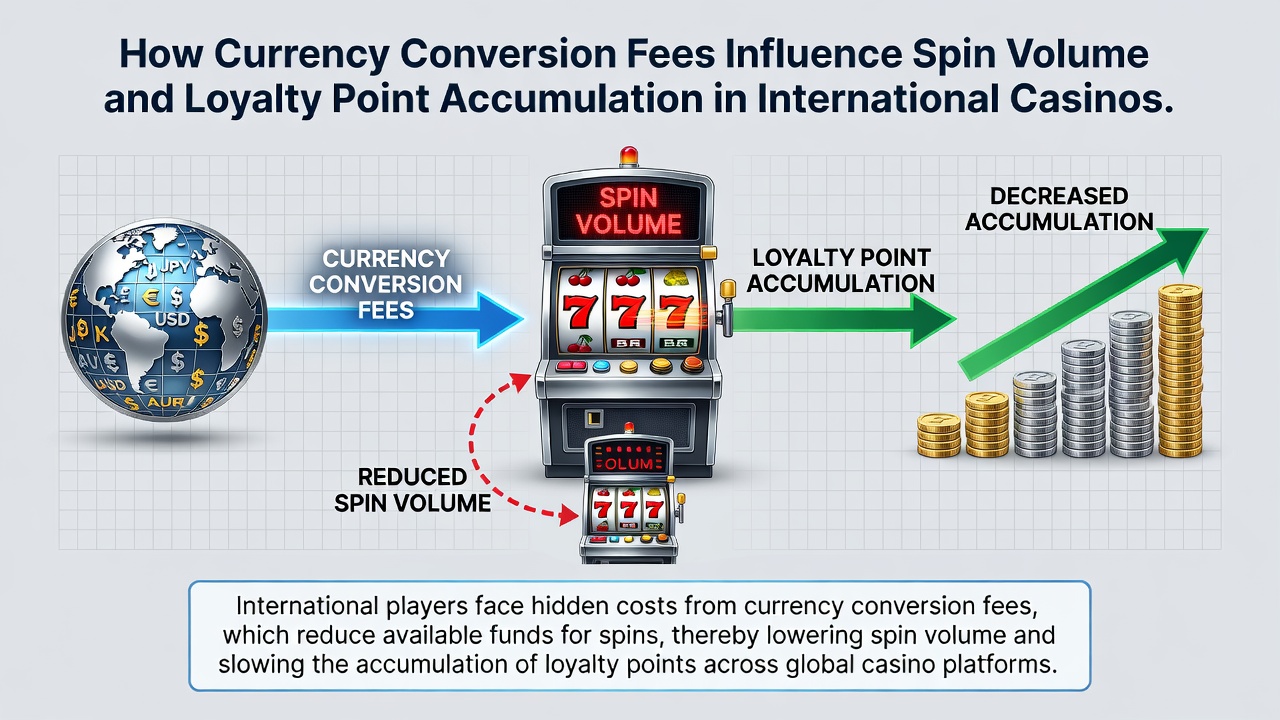
International casino platforms process transactions across dozens of currencies each day, and currency conversion fees represent a standard component of those operations. Players from one jurisdiction often fund accounts in their local currency while the platform settles bets in another, which triggers automatic conversion charges that range from 1 to 4 percent depending on the payment processor and the pair of currencies involved. Those charges reduce teh net amount available for play before any wagering begins.
Mechanics of Fee Application in Cross-Border Play
Conversion fees apply at the moment of deposit when a player's bank issues funds in one currency and the casino converts them into its operating currency, then again at withdrawal when winnings return to the player's original currency. Platforms integrate these costs directly into the displayed balance, so the player sees a reduced figure that already accounts for the spread. Data from European payment service providers shows that euro-to-USD conversions frequently carry the highest average fees during peak travel seasons, while intra-Asian conversions between SGD and JPY tend to stay lower because of tighter regional banking networks.
Operators record each converted wager in the platform's base currency for internal tracking, which means loyalty point calculations begin from the post-fee amount rather than the original deposit. This structural detail creates a measurable difference in point accrual rates between domestic and international users even when both place identical nominal bets.
Direct Effects on Spin Volume
Reduced starting balances lead players to complete fewer spins or hands per session because the effective bankroll shrinks before play starts. Researchers tracking session data across multiple jurisdictions have documented average spin reductions of 8 to 12 percent when conversion fees exceed 2.5 percent on deposits above €500. The drop occurs steadily rather than in sudden drops, because players adjust bet sizes gradually to stretch the remaining funds. High-volatility slots show the clearest pattern since each spin carries larger stake amounts that amplify the impact of the initial reduction.
September 2026 regulatory updates scheduled by several multi-jurisdictional bodies will require platforms to display conversion fees in real time before deposit confirmation, a change expected to give players clearer information about the exact reduction they face. Early compliance testing indicates this transparency may further influence session length as users compare total costs across sites before committing funds.
Impact on Loyalty Point Systems
Loyalty programs calculate points primarily on wager volume after conversion, so any fee applied at deposit directly lowers the baseline used for point awards. One major Asian platform operator reported that international players using non-local currencies earned 7 percent fewer points per euro wagered compared with local-currency users during the same calendar quarter. The difference stems entirely from the fee-adjusted starting balance rather than from any change in the points-per-bet formula itself.
Some programs apply tier multipliers based on total points earned within a rolling period, which means lower point accumulation from conversion fees can also delay tier advancement. Observers note that players who frequently switch between currency pairs experience slower progress toward higher tiers even when their raw betting activity remains consistent month to month.
Academic analysis from the University of Macau's gaming research center examined transaction logs from three integrated resort groups and found a clear statistical correlation between average conversion fee rates and both monthly spin counts and cumulative loyalty points. The study controlled for player demographics and game type, isolating the fee variable as a consistent predictor of reduced activity volume.
Platform Responses and Payment Channel Variations
Operators have introduced several mitigation tools including multi-currency wallets that store balances in multiple denominations simultaneously, eliminating conversion on subsequent deposits once the initial setup occurs. Adoption of these wallets has grown steadily since 2024, particularly among players who maintain regular activity across regions. Alternative channels such as certain e-wallets and stablecoin options bypass traditional banking spreads altogether, though regulatory acceptance of those methods still varies by licensing jurisdiction.
According to figures released by the European Gaming and Betting Association, platforms offering at least three fee-free currency corridors recorded 14 percent higher average session lengths among international users compared with single-currency sites during the first half of 2026. The data covers operators licensed in Malta, the Isle of Man, and Gibraltar, providing a broad regional sample.
Conclusion
Currency conversion fees reduce available funds at the point of deposit, which in turn lowers the total number of spins completed and the loyalty points earned from those wagers. The relationship appears consistently across multiple datasets and platform types, with the size of the effect scaling directly with the fee percentage applied. Regulatory changes scheduled for September 2026 aim to increase transparency around these costs, while technological options such as multi-currency wallets and alternative payment rails continue to offer pathways that minimize or remove the fees for frequent international players. The patterns documented in transaction records and academic studies demonstrate how a single operational cost at the funding stage propagates through both immediate play volume and longer-term reward accumulation.